June 22, 2026
Understanding the vital role tree removal services play in safeguarding your home from the destructive potential of storms. This article explores multiple avenues through which these services can mitigate the risks associated with severe weather conditions.
1. Potential Hazards of Dead and Dying Trees
Dead and dying trees present a severe risk during storms due to their weakened structure. These trees are more prone to breaking or falling, posing an immediate threat to nearby buildings, vehicles, and power lines. The decomposition process makes them less stable, and even moderate winds can topple them. Property owners underestimate the danger until damage occurs, often resulting in costly repairs. Proactive removal of these trees is essential for safety and peace of mind.
Dead trees block emergency routes and create hazards in post-storm clean-up efforts. Municipal guidelines often mandate the removal of such trees to prevent accidents and ensure public safety. Furthermore, dead trees can become breeding grounds for pests and diseases, affecting neighboring healthy trees. Homeowners can mitigate these risks by employing tree removal services to assess and eliminate these hazards. In doing so, they protect not only their property but also the broader community.
The presence of dead or unhealthy trees often goes unnoticed until it's too late. Aesthetic appeal or sentimental value can sometimes overshadow safety priorities. Nevertheless, the structural integrity of trees must be prioritized, particularly in regions susceptible to severe weather. According to This Old House, high winds can detach branches or uproot entire trees, so clear or trim any dead or damaged trees regularly. Make sure there are no trees within 40 feet of your home for maximum safety. The potential for catastrophic damage increases significantly in these scenarios, underscoring the importance of vigilance and timely action.
2. Overgrown Trees and Structural Concerns
Overgrown trees pose substantial risks to structures during storm events. As branches grow close to homes or other constructions, they create hazards such as broken windows, damaged roofs, and blocked gutters. The roots of large trees can undermine building foundations, leading to uneven settling and structural weaknesses. Assessing the growth patterns and potential risks of such trees is a critical step in preventative maintenance. Professional tree removal and maintenance services can help in monitoring and managing these threats efficiently.
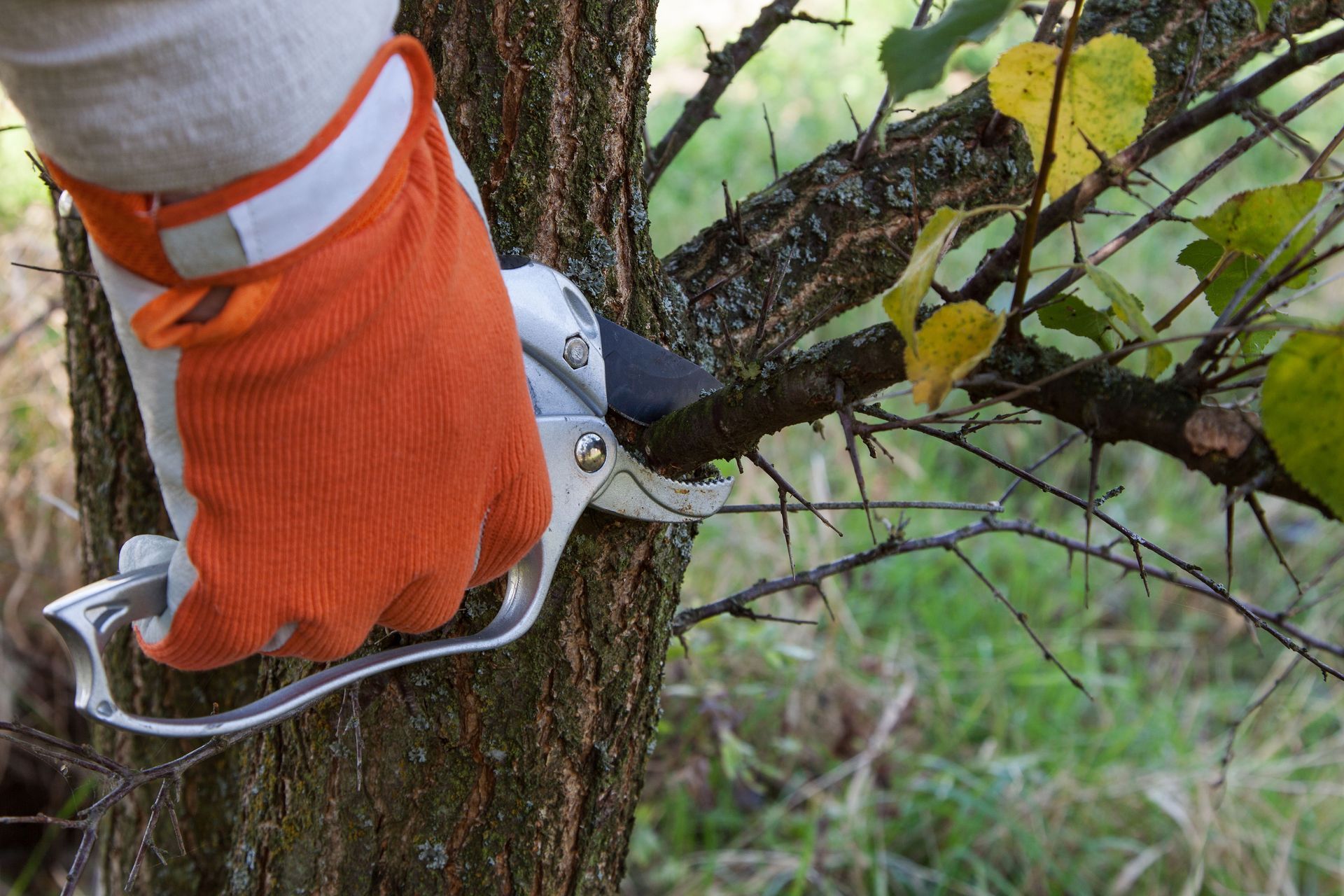
Strategic pruning and trimming are effective methods to manage the growth of overgrown trees. By removing specific branches, the tree's health is maintained while minimizing risks to surrounding structures. Regular maintenance also reduces the likelihood of dense canopy growth, which increases wind resistance during storms. Removing overgrown branches can help balance the tree's weight distribution, decreasing the chance of uprooting. Engaging professional services ensures that these tasks are carried out safely and effectively, preserving tree health while protecting property.
Overgrown trees can also interfere with utility lines, triggering service disruptions during storms. Not only does this pose a fire hazard, but it also complicates power restoration efforts post-storm. Regular tree maintenance can prevent these issues by keeping branches well clear of critical infrastructure. In addition to property damage, tree-related power outages lead to significant economic losses for businesses and municipalities. Therefore, proactive tree management is crucial for reducing storm impact on essential services and infrastructure.
3. Impact of Severe Weather on Vulnerable Trees
Vulnerable trees suffer significant damage during storms, much of which can be prevented through proper care. High winds, heavy rain, and lightning strikes are the main culprits of tree damage. Diseased or structurally compromised trees are particularly susceptible, as their weakened state cannot withstand intense weather. Regular inspection and maintenance help identify weakened trees and provide opportunities for intervention before storms hit. While some damage is unavoidable, minimizing risks through proactive care greatly reduces the likelihood of catastrophic failure.
Severe weather exacerbates existing vulnerabilities in trees. Root rot, for example, makes trees more susceptible to windthrow, where uprooting occurs due to compromised root systems. A comprehensive risk assessment from seasoned arborists can identify such vulnerabilities. This allows for strategic interventions, such as tree removal or reinforcement, to mitigate potential storm damage. In some cases, preemptively removing vulnerable trees is more economical than facing the costs of post-storm damage and repair.
Tree stability can be assessed by evaluating root health, trunk integrity, and foliage condition. However, indicators such as tilting trunks or exposed roots signify potential instability, necessitating immediate action. Insurance claims for storm damage involving trees are successful only when routine maintenance and due diligence can be proven. Investing in professional evaluations not only secures homes but also ensures compliance with insurance and legal requirements. Ultimately, tree removal services play an integral role in assessing and managing vulnerable trees to protect homes from severe weather events.
4. Common Types of Storm-Induced Tree Damage
Storms can cause various types of damage to trees, ranging from minor to severe. Branch breakage is one of the most common issues, resulting from high winds or heavy ice and snow accumulation. This type of damage not only harms the tree but can also create dangerous projectiles during storms. Split trunks and uprooting are more severe forms of storm-induced damage, often leading to the need for complete tree removal. Each type of damage requires a different approach for mitigation and recovery, underscoring the importance of professional assessment and intervention.
The aftermath of a storm often reveals trees that have sustained invisible damage. Split branches or trunks might not be immediately evident but can pose ongoing risks after the initial storm has passed. In some cases, damaged roots can lead to tree instability weeks after the severe weather event. Professional tree services can conduct post-storm evaluations to ensure any hidden damage is identified and addressed. Prompt action helps prevent secondary property damage and ensures that trees can recover fully where possible.
Maintaining healthy trees reduces the likelihood of severe storm damage. By ensuring trees are well-maintained through regular pruning and health checks, their resilience against storms improves significantly. Prevention is always preferable to dealing with the consequences of storm damage. As part of a broader storm preparedness strategy, tree care services become indispensable partners in safeguarding properties. They provide expertise and equipment to handle storm aftermath efficiently, ensuring community safety and recovery.
5. Assessing Tree Stability and Health
Assessing tree stability and health is crucial in reducing storm-related risks. Regular inspections by professional arborists can identify potential hazards before severe weather strikes. Indicators of instability include leaning trees, exposed root systems, and dead branches. Evaluating these signs allows for preventive measures like cabling, bracing, or removal, thereby ensuring the safety of surrounding structures. Homeowners must familiarize themselves with basic tree health indicators to facilitate early intervention and consultation with professionals.
Homeowners must recognize the visible and subtle signs of potential tree failure. Leaning trees can indicate root or trunk weaknesses, which may worsen during storms. Meanwhile, sparse or yellowing foliage can signify underlying health issues, making trees more susceptible to storm damage. An effective maintenance strategy involves collaboration with tree care professionals to address these risks. Professionals can provide informed recommendations based on tree species, health status, and environmental conditions.
Tree health assessments should be integral to any property maintenance plan, particularly in areas prone to severe weather. Regular health checks not only prevent storm damage but also enhance the longevity and aesthetics of trees. Professional assessments can identify diseases or pest infestations that might weaken a tree's resilience. Moreover, understanding tree health can inform decisions about which trees to prioritize for removal or maintenance. Ultimately, proactive management is key to safeguarding properties and maximizing the benefits of healthy, stable trees. Be sure to reach out to Randy Flodeen Four Seasons Tree Service today to learn more about our professional tree removal services!