September 29, 2026
Tree trimming is more than a simple landscaping task; it plays a crucial role in maintaining tree health, public safety, and overall visual appeal. Regular pruning ensures that trees remain vibrant by removing dead or diseased branches, which could otherwise affect the canopy's overall condition. Additionally, routine tree trimming is vital for property safety, preventing the potential hazards associated with falling limbs and ensuring that sidewalks and roads remain clear. Aesthetically, strategic cuts enhance the natural shape of plants, contributing to a more attractive yard. Through this article, we will explore the various aspects of why tree trimming is indispensable, with emphasis on health, safety, aesthetics, environmental benefits, property value, and cost-effectiveness.
Enhancing Tree Health
Removing Dead or Diseased Branches
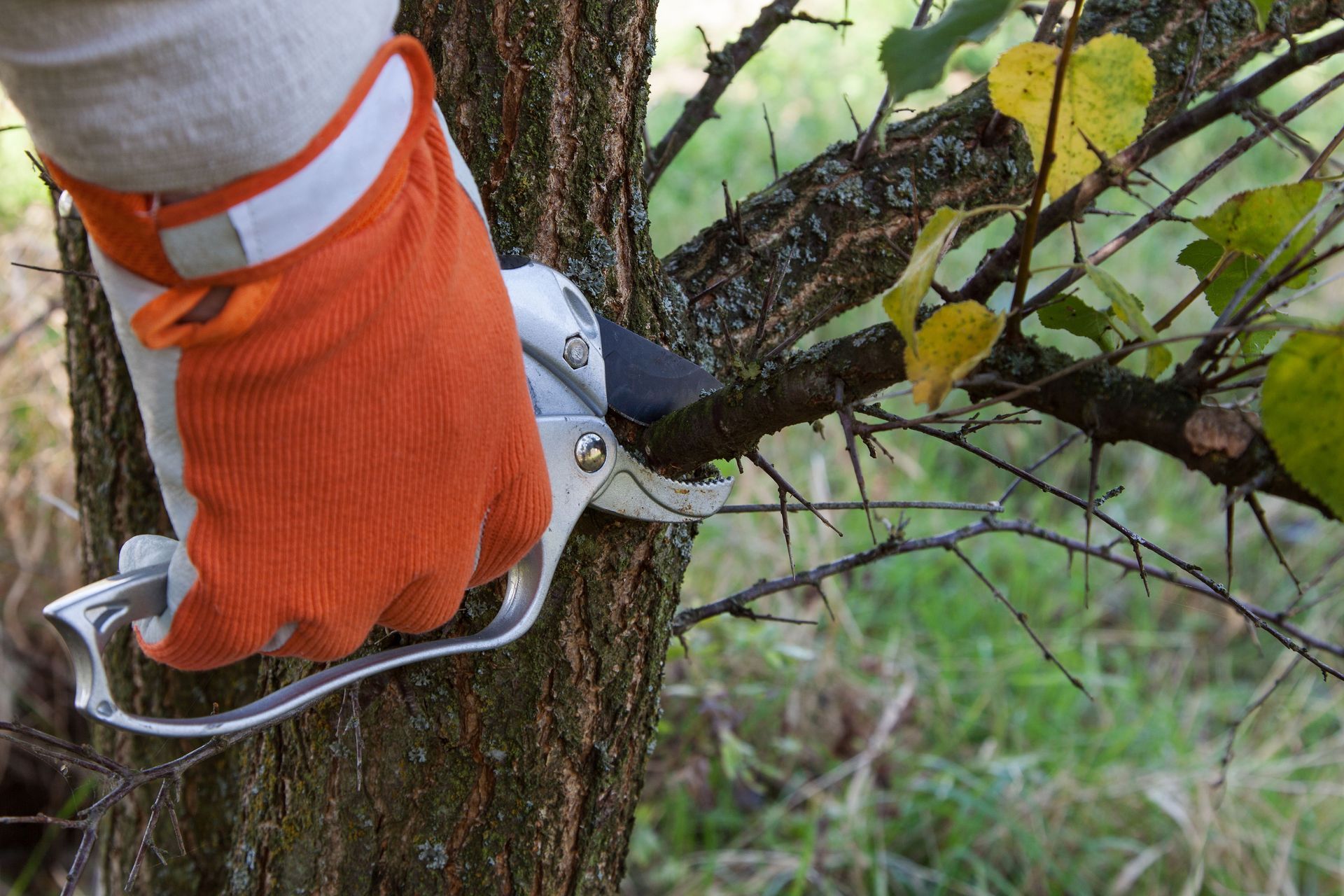
Removing dead or diseased branches from trees is vital for preventing the spread of infection. When diseased limbs are left unattended, they can affect the overall health of the trunk, making it susceptible to further decay. Trimming away these unhealthy parts helps to prevent disease transmission and allows the plant to heal properly. By eliminating these branches, sunlight and air can penetrate deeper into the canopy, supporting vitality. Indeed, the practice of removing such branches forms a foundational component of disease control within arboriculture.
Allowing Proper Air Circulation
Proper air circulation is fundamental for minimizing the risk of fungal diseases within branches. Selective tree trimming encourages better airflow through the canopy, drying excess moisture that might otherwise promote fungal growth. With increased air movement, foliage is less likely to develop molds, mildews, and other fungal issues that thrive in damp environments. This process not only strengthens natural defenses but also ensures healthier growth over time. Improved air circulation also aids in reducing temperature fluctuations throughout the canopy.
Promoting Nutrient Distribution
Regular maintenance plays a key role in promoting the efficient distribution of nutrients within a plant. By removing excessive or decayed branches, vital resources are redirected to the growth of healthy limbs and leaves. This redirection ensures that the stronger parts receive the necessary energy to flourish. Balanced nutrient distribution contributes to vigorous plant health and enhances overall growth. Ultimately, property owners benefit from more robust leaf development and fruit production when tree trimming is prioritized.
Encouraging Robust Growth
Encouraging robust growth in mature trees is another critical benefit of routine pruning. By strategically removing specific branches, plants can produce strong and resilient new shoots that enhance their structural integrity. This process helps maintain a natural shape while promoting denser foliage. Over time, consistent tree trimming yields structures that are more resistant to adverse weather, insects, and environmental stressors. Additionally, fostering new growth ensures longevity and long-term aesthetic appeal.
Reducing Risk of Pest Infestation
Proper pruning can significantly reduce the habitat available for pests that might infest weak bark. Dead branches and excessive overgrowth create ideal conditions for pest populations to thrive. By removing these potential breeding grounds, the likelihood of an infestation decreases considerably. A plant free of wood-boring insects is better able to focus its energy on growing healthy and strong. Moreover, effective pest management through tree trimming minimizes the need for harsh chemical interventions.
Ensuring Safety
Preventing Falling Branches
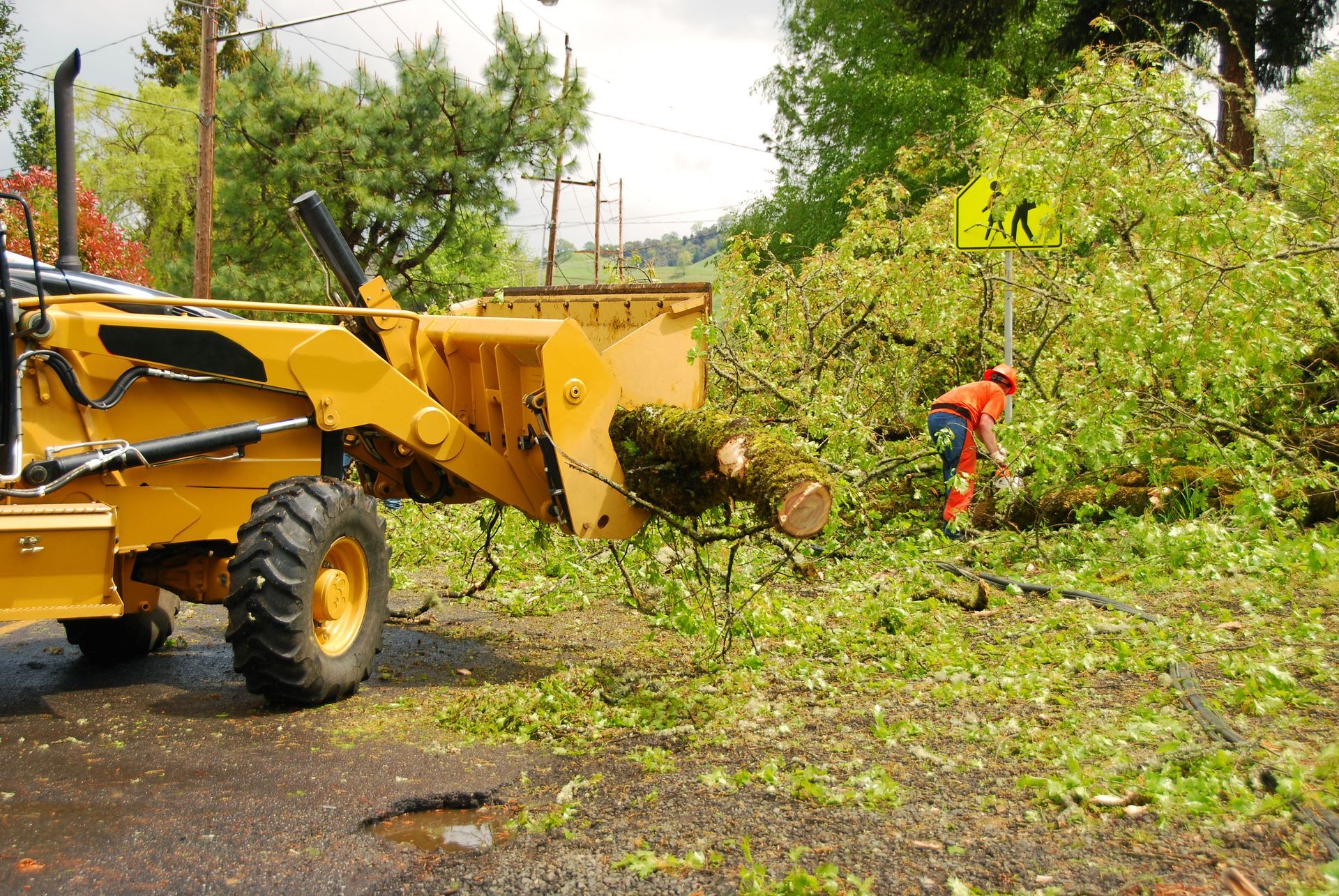
The prevention of falling branches is a primary safety concern addressed by tree trimming. Weak or dead limbs can fall unexpectedly, posing significant risks to people and structures during storms or high winds. Removing these hazards ensures safety for pedestrians, vehicles, and nearby buildings. Regular inspections and maintenance can preemptively address potential fall risks. As proper tree trimming becomes ingrained in seasonal safety protocols, it helps mitigate the potential damage from severe weather-related incidents.
Maintaining Clear Pathways
Maintaining clear pathways is crucial for urban and residential areas where branches often overhang public spaces. Overgrown limbs can obstruct sidewalks, roads, and driveways, creating inconvenience and danger for pedestrians and drivers alike. Cutting back these branches helps ensure accessibility and visibility for all. It also aids in compliance with local municipal regulations concerning vegetation management. Ensuring that pathways are clear demonstrates a commitment to community safety and accessibility standards.
Protecting Property
Protecting property from unexpected damage is another significant reason for regular pruning. Untrimmed canopies pose a risk to nearby structures, potentially causing damage to roofs, windows, and utility lines during adverse weather conditions. Strategic tree trimming helps prevent such incidents by reducing the weight and wind resistance of heavy branches. It lowers the chance of limbs breaking off and falling onto valuable real estate. In the long run, proactive tree trimming protects personal and public assets from costly damage and ensures peace of mind for property owners.
Avoiding Power Line Interference
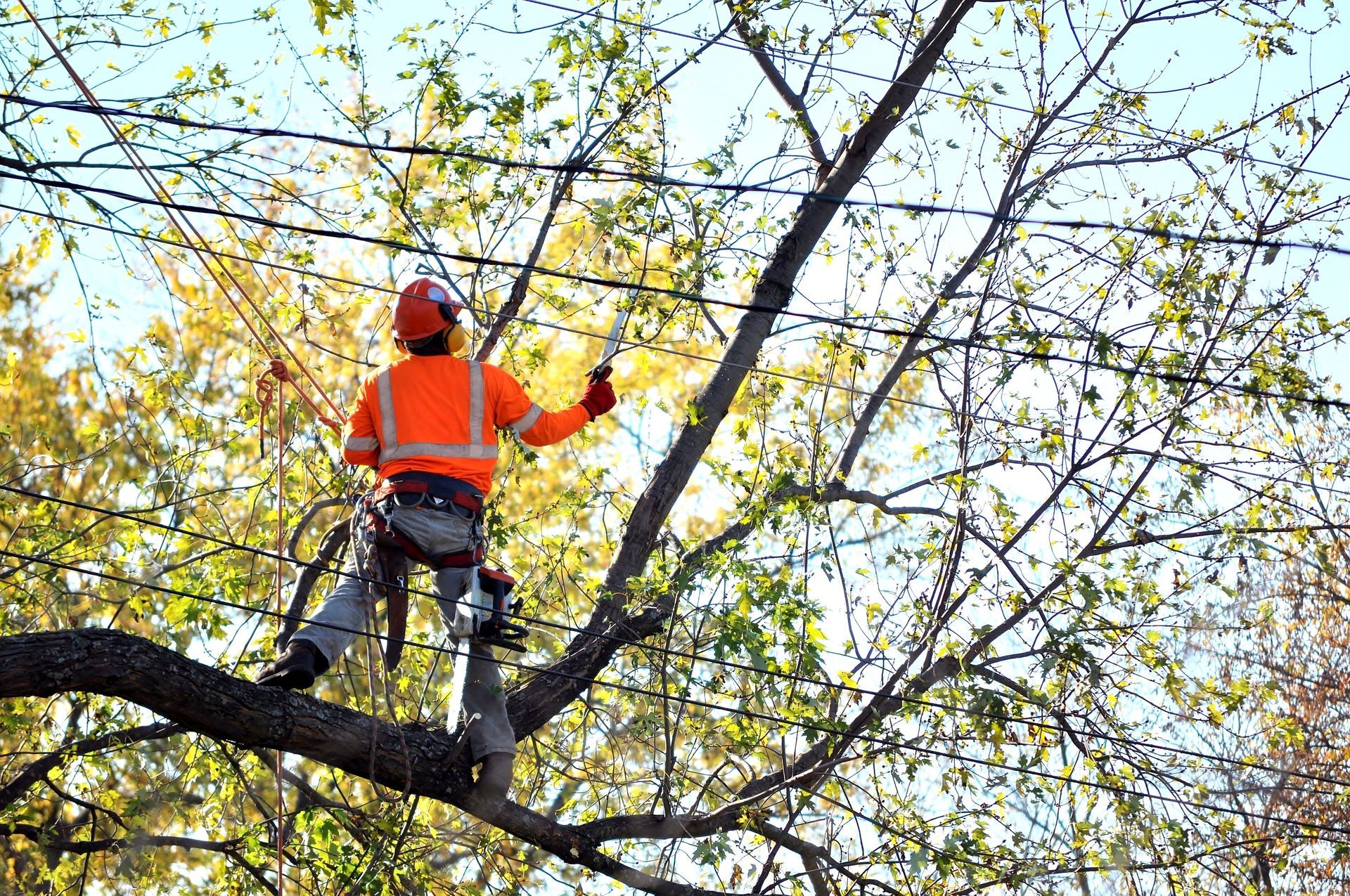
Routine tree trimming plays a critical role in preventing power line interference, which can lead to blackouts and major safety hazards. Overgrown branches near utility lines can cause electrical shorts, power surges, or even wildfires. Utility companies often work closely with certified arborists to ensure that branches are cut back safely and effectively. Consistent maintenance around high-voltage wires is essential for community safety and uninterrupted service. By preventing line contact, utility maintenance reduces the risk of incurring safety violations.
Enhancing Visibility
Enhancing visibility for drivers and pedestrians is another key safety benefit of seasonal pruning. Overhanging branches can obscure traffic signs, signals, and sightlines, presenting severe dangers at intersections and along busy roadways. Professional tree trimming clears these obstructions and improves overall visibility, contributing directly to road safety and accident prevention. It also helps enhance neighborhood security by allowing better illumination from streetlights. Overall, well-maintained landscapes support safer communities.
Improving Aesthetics
Shaping the Tree Structure
Shaping the canopy structure through artistic and structural pruning elevates a landscape’s visual appeal. Strategic cuts can transform overgrown plants into living sculptures that complement the surrounding environment. Arborists utilize specific techniques to guide the growth of branches, ensuring uniformity, balance, and harmony. By enhancing natural lines, careful tree trimming contributes not only to individual plant health but also to the visual unity of the entire yard. This artistic element aligns well with the growing demand for aesthetically pleasing outdoor spaces.
Cost-Effectiveness
Reducing Emergency Repair Costs
Investing in preventive tree trimming helps to dramatically reduce emergency repair costs that may arise from storm or severe weather damage. Falling limbs can result in massive repair expenses for roofs, vehicles, fences, and power lines. Preventive maintenance minimizes these unexpected costs by addressing structural hazards before storms hit. Not only does this practice ensure physical safety, but it also represents a fiscally responsible approach to property management. The U.S. tree trimming industry, valued at $35.6 billion according to IBISWorld, highlights the widespread recognition of its financial importance.
Lowering Insurance Premiums
Consistent grounds maintenance can contribute to lower home insurance premiums for property owners. Insurance companies often take into account the overall risk profile of a property when determining annual rates. By demonstrating a commitment to maintaining safe and healthy trees, owners can mitigate liability risks associated with storm damage. This reduction in potential claims further underscores the financial viability of professional maintenance services. Over time, lowered insurance premiums contribute to meaningful cost savings for homeowners.
Tree trimming emerges as a fundamental practice necessary for a multitude of reasons, spanning health, safety, aesthetics, environmental impact, property values, and financial prudence. Through regular and responsible canopy management, property owners can ensure healthier, safer, and far more appealing outdoor spaces. Communities as a whole benefit from reduced storm hazards, enhanced visual appeal, and the economic advantages associated with proactive maintenance. Ultimately, tree trimming supports sustainable living by fostering healthier local ecosystems and maintaining a balance between human infrastructure and natural growth. Dedicating regular attention to this essential landscaping task yields long-term dividends in beauty, safety, cost savings, and environmental health. Call Randy Flodeen Four Seasons Tree Service today for more.