June 23, 2026
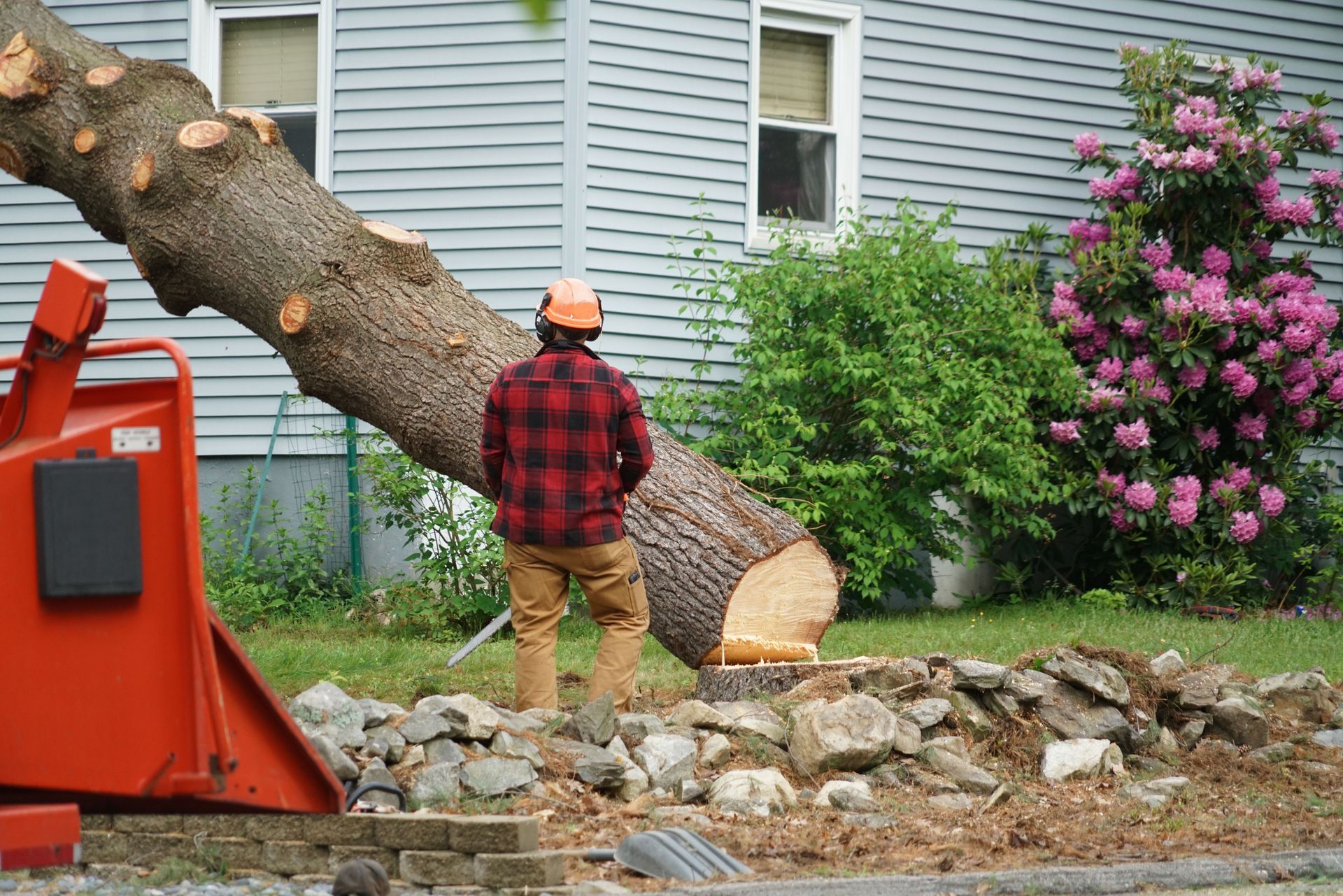
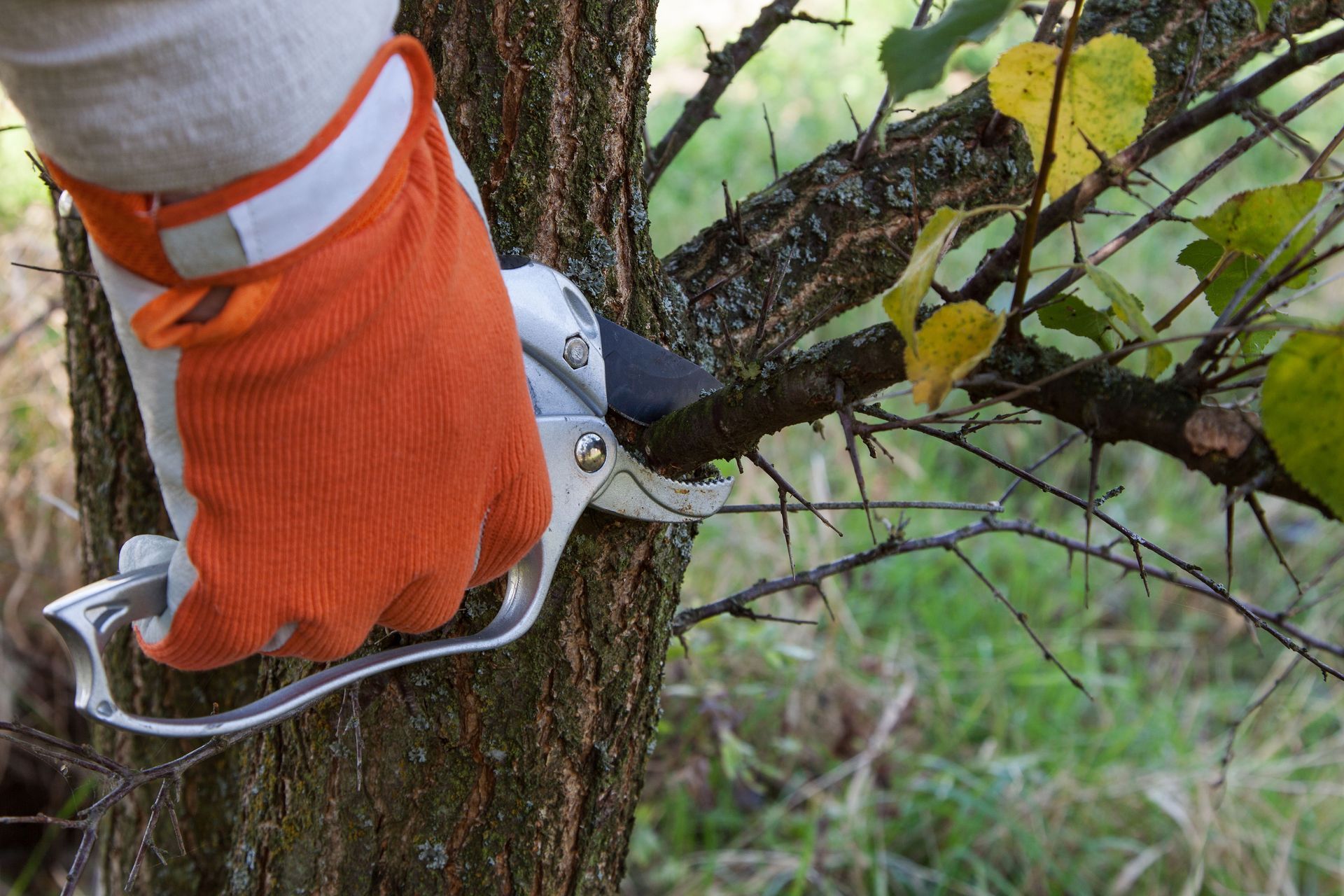
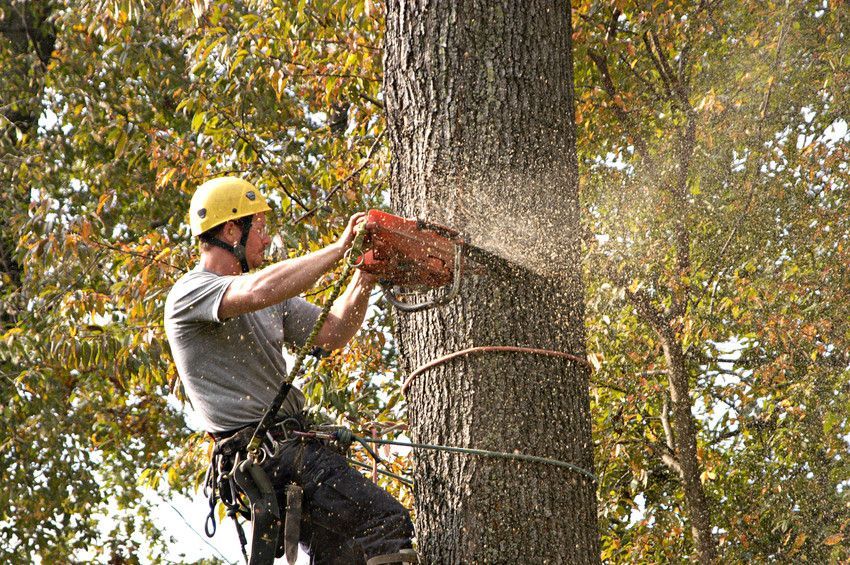
In the process of construction, the natural environment often takes a backseat to the demands of development. However, tree trimming services emerge as a critical component, not only for the sake of preserving nature but also for the safety and efficiency of construction projects. This article delves into the various reasons why tree trimming services are indispensable during construction.
1. Ensuring Safety on Construction Sites
Tree trimming significantly contributes to safety by preventing accidental damage from falling limbs. During construction, disturbances such as machinery vibrations can weaken a tree's hold on its branches. Regular trimming helps eliminate these hazardous limbs before they fall, which could otherwise cause injury to workers or damage to property. Moreover, prevention of such incidents can reduce potential legal liabilities for construction companies, further emphasizing the importance of professional tree trimming services. In densely-treed areas, a proactive trimming approach can also enhance workers' morale by providing a safer working environment.
The presence of large trees with sprawling limbs can pose significant hazards to construction workers. Low-hanging branches may obstruct pathways or machinery, leading to accidents and severe injuries on-site. By reducing tree encroachment through trimming, worksite managers can ensure passageways remain clear, reducing risks. Protecting workers is not only a moral obligation but also aligns with safety regulations which mandate the minimization of workplace hazards. Furthermore, fewer accidents translate into uninterrupted workflows, thereby maintaining the project timeline.
Protecting infrastructure and machinery is another critical aspect underscored by safety protocols. Machinery that operates under canopies is especially vulnerable to falling debris, which could damage roofs or mechanical parts. Repairing such damage can be costly, with downtime affecting project completion schedules and budgets. Tree trimming services act as a preventive measure, ensuring machinery and other infrastructure elements are shielded from potential impacts. Additionally, the proactive management of tree limbs ensures there is no interference with power lines, a critical infrastructure element, reducing the risk of outages caused by branches during storms or high winds.
2. Enhancing Construction Workflow Efficiency
The presence of untrimmed trees can severely impede access to crucial construction areas. Workers often require clear passages for transporting materials and accessing different job site sections, and overgrown branches can block these routes. By streamlining access through tree trimming, construction companies can optimize the movement of personnel and machinery. Moreover, trimming reduces congestion around the construction site, facilitating smoother workflows. When site access is managed well, the productivity of construction teams is significantly enhanced, ultimately reducing project timelines and associated costs.
Obstructive branches pose a risk of delays on construction projects, as construction teams may be required to perform additional work to clear them. Such delays can be costly and disruptive, leading to potential financial penalties or strained client relationships. Regular tree trimming mitigates these risks by ensuring that construction spaces remain open and unobstructed. It allows for the uninterrupted progress of site activities, safeguarding adherence to projected timelines and budgets. Efficient tree management reassures stakeholders that the construction process will proceed as planned.
Improving visibility for construction teams is another advantage of tree trimming. Dense foliage can hinder site supervisors' ability to oversee project activities or to monitor safety compliance. Trimming helps open sightlines, affording better oversight and reducing the likelihood of accidents occurring unnoticed. Enhanced visibility also optimizes the workforce, as supervisors can allocate resources more effectively across the site by easily identifying areas that require attention. In the longer term, enhanced visibility contributes to more precise and efficient work outputs, cementing the importance of tree trimming as a tool for operational efficiency.
3. Promoting Environmental Responsibility
Tree trimming during construction projects can significantly aid in preserving tree health, contrary to the adverse effects of removal. By selectively cutting certain branches instead of uprooting whole trees, the habitat remains relatively undisturbed. According to the University of Maryland, trees that are spared from removal during construction often die 3-5 years later, underscoring the importance of appropriate management practices. Adequate trimming can prevent such outcomes by promoting vigorous growth after construction concludes, ensuring trees continue to thrive. This approach not only maintains the ecological integrity of the site but also demonstrates a commitment to environmental stewardship.
One of the most environmentally significant aspects of tree trimming is its role in reducing the carbon footprint of a construction site. Instead of clearing, trimming minimizes tree removal, thereby sustaining the natural carbon sequestration that mature trees provide. This operation aligns with modern sustainability goals and promotes a healthy approach to new developments. By fostering green spaces alongside new buildings, developers can create healthier environments for future residents and workers. In this way, tree trimming is not merely a method of convenience; it's a crucial step toward responsible construction practices.
Biodiversity relies on strategically preserving existing natural habitats within construction zones. When trees are trimmed rather than removed, the local ecosystem remains intact, encouraging biodiversity. This conserves the habitats of various bird species, insects, and small animals, which otherwise might face displacement. The sustained presence of these species can enhance the environmental value of a site, serving as a testament to sustainable development. Aligning construction with biodiversity goals also resonates with broader environmental planning standards, reinforcing the developer's commitment to green construction practices.
4. Maintaining Property Aesthetics and Value
The natural beauty of a construction site is a valuable asset that should be preserved wherever possible. Tree trimming services contribute by maintaining the aesthetic integrity of the site, providing a harmonious blend between natural and built environments. By retaining mature trees and manicuring them appropriately, developers can create visually appealing landscapes enhanced by longstanding greenery. This consideration goes beyond personal preferences, as it contributes to the site's long-term marketability. An attractive landscape is a powerful selling point, often motivating potential buyers and investors to take an interest in the property.
Curb appeal is a critical factor that can influence perceptions of completed construction projects. Well-trimmed and cared-for greenery plays a considerable role in making the initial impression welcoming and desirable. Trees that are regularly maintained signal attention to detail and quality assurance, potentially elevating the perceived value of the property. Beyond aesthetic appeal, such care can increase habitat quality, improving residents' quality of life and satisfaction. This positive reception can yield higher appreciation rates for properties, benefiting both developers and buyers.
A well-managed landscape can also lead to a substantial increase in market value. By incorporating professional tree trimming services, developers signal their commitment to quality, enhancing the overall desirability of real estate offerings. This proactive approach can also be strategically aligned with urban planning objectives, creating synergistic outcomes that benefit local communities. Landscaped urban environments often enjoy greater civic engagement, reinforcing communal identities and elevating regional appeal. Tree trimming, thus, serves not only as a tool for landscape maintenance but as an investment in enduring economic, social, and environmental benefits.
In conclusion, tree trimming services play an essential role during construction, extending well beyond the rudimentary act of cutting branches. By ensuring safety, promoting efficiency, and fostering environmental responsibility, professional tree trimming augments the construction process. Furthermore, it enhances property value and ensures compliance with laws while delivering long-term benefits. As such, incorporating tree trimming into construction planning is not merely beneficial but critical for sustainable development. Be sure to reach out to Randy Flodeen Four Seasons Tree Service today to learn more about our professional tree trimming services!